
SaaS · Cybersecurity · Multi-tenant Platform
Admin Dashboard
Role: Product Design Lead
Authentication management platform used by banks and fintechs serving 1M+ end users. Led the redesign of the admin experience to support scalability, reduce operational friction, and establish system foundations for growth.
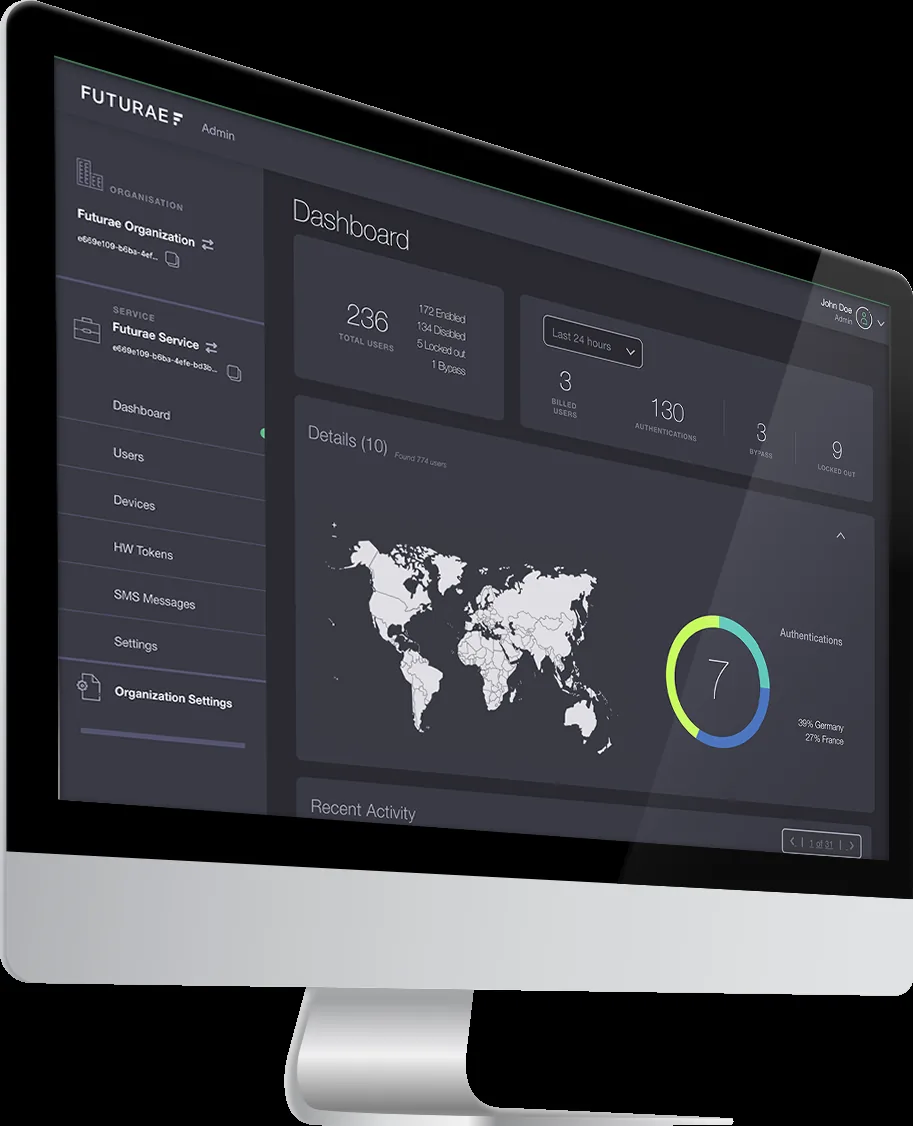
- -40%
- delivery time via design system
- 130+
- enterprise clients
- 1M+
- end users

The Problem
When Growth Outpaced Usability
As the platform expanded across tenants, policies, and devices, the interface no longer reflected product complexity.
Operational teams were navigating fragmented workflows, repeating actions, and spending unnecessary time on routine tasks.

My Responsibility
Remove Pain Points & Increase Usability
- Optimized the information architecture across all Admin modules
- Defined the structural model separating governance and operations
- Standardized interaction logic across high-density workflows
- Built and rolled out the Admin design system from zero
- Collaborated directly with backend engineers
- Contributed to feature structuring decisions (e.g., SMS module)
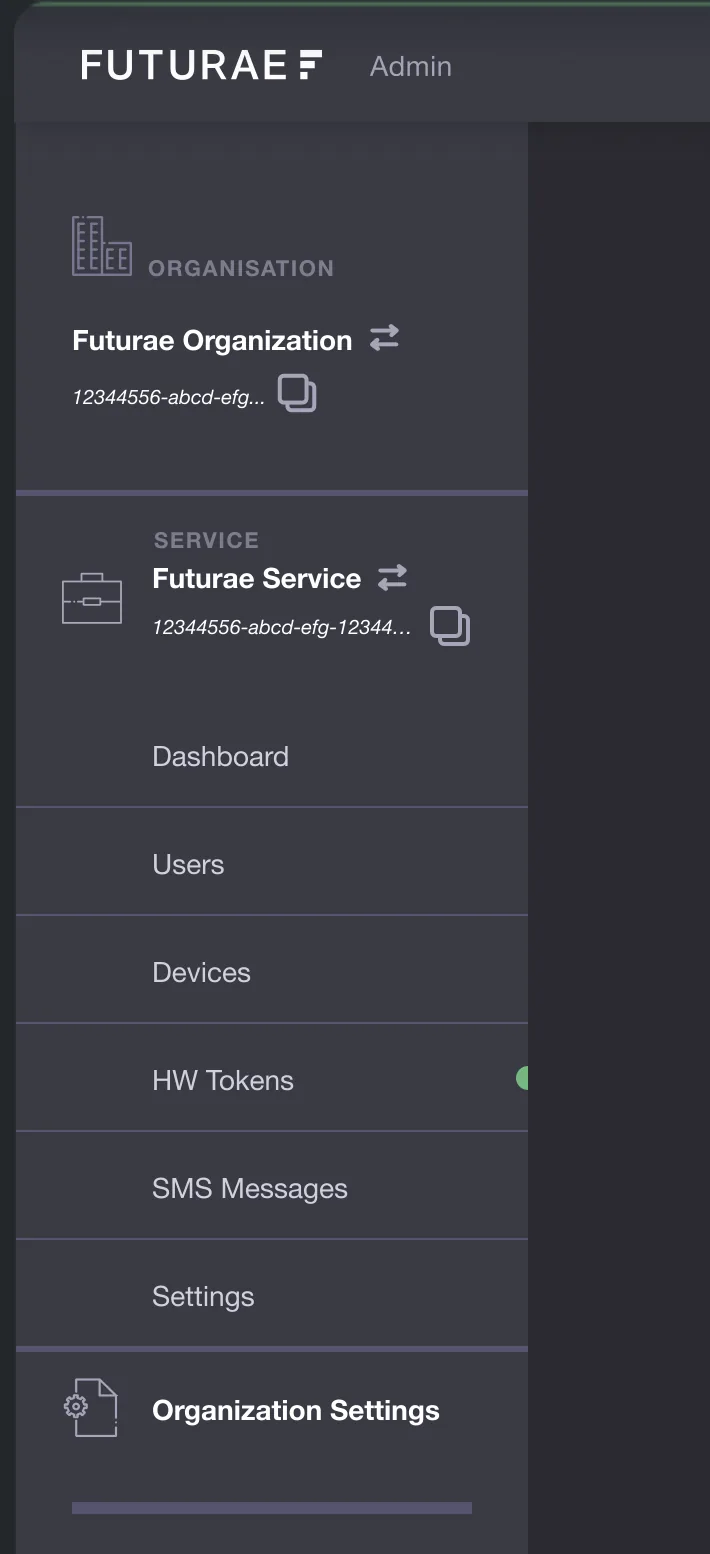
Architectural Decisions
Clear Domain Separation
Reorganized the hierarchy into:
Organization → Service → Operational Modules → Detail Views
- Predictable drill-down logic
- Reduced cross-context navigation
- Clear separation between governance (billing, collaborators) and operations (users, tokens, SMS)
- A structure capable of absorbing new modules without redesign

Cybersecurity User Experience
Designing for Operational Clarity
Security teams needed fast interpretation of:
- Authentication attempts
- Lockouts
- Bypass events
- Enrollment states
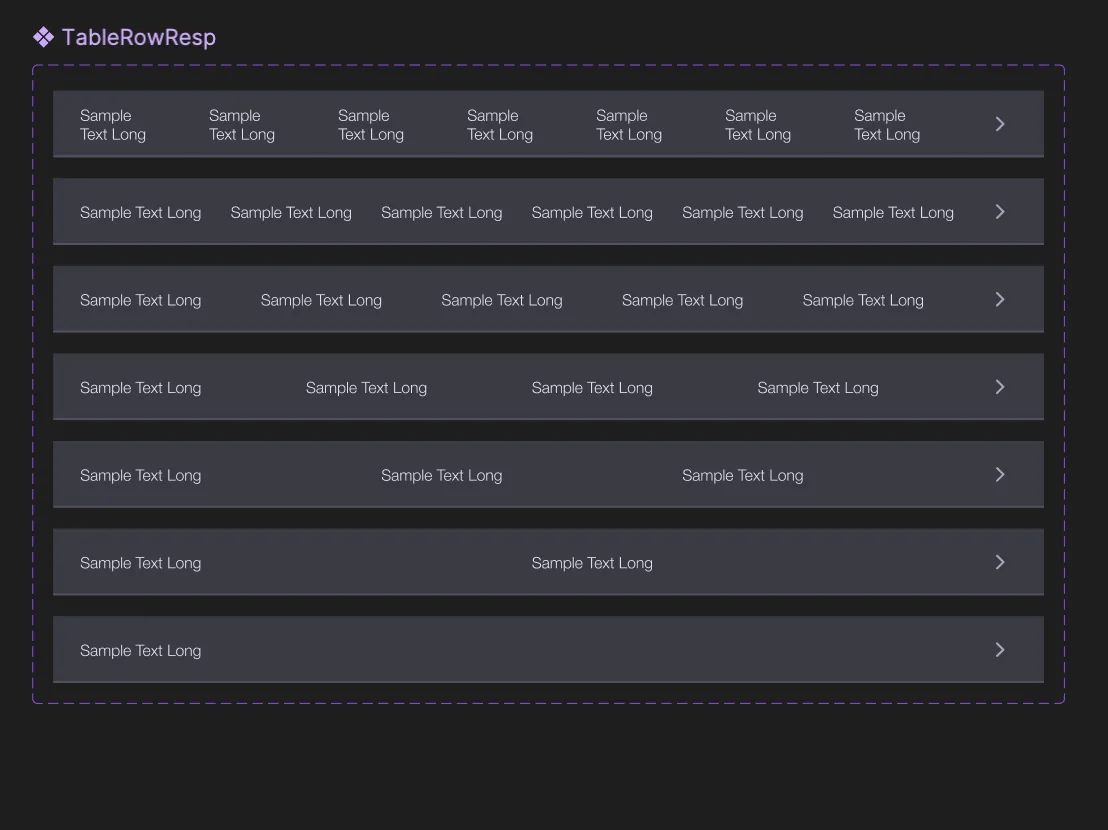
I introduced a unified table system across 20+ modules:
- Standardized filtering and pagination
- Modular cell architecture
- Consistent status signaling
- High-density layouts optimized for scanning
The goal: reduce cognitive overhead in security-critical workflows.
Design System
System Before Surface
Before expanding feature UI, I built a reusable design system:
- State-driven components (buttons, inputs, validation patterns)
- Modular table framework
- Structured Figma variants for dev efficiency
- Consistent theming aligned with cybersecurity context
Adopted by 4 engineers and implemented across all Admin modules.
This shifted the product from screen-based design to system-based design.

Impact
What Changed
- Unified 20+ modules under a scalable structural model
- Enabled feature expansion without structural rework
- Reduced UI inconsistencies across the Admin surface
- Supported enterprise clients operating in production banking environments
- Sole ownership of a complex, compliance-constrained SaaS product
Got a challenge? I'd love to hear about it.
Send the rough version. I read every message and reply personally, usually within a few days.